The Media and the Messages
Come!Unity was a place, first and foremost. 13 East 17th Street, Sixth Floor, New York, NY 10003.
This sense of place extended far outside of the walls of that chelsea suite, though. In a very real way, the media itself produced by the press created an imagned space, one where debate, news, discourse, and friendship were possible without participation in the hegemonic news sources. They created a distinct counter-public sphere which could sustain the Movement of the 1960s and 70s, which is otherwise so nebulous and hard to locate.
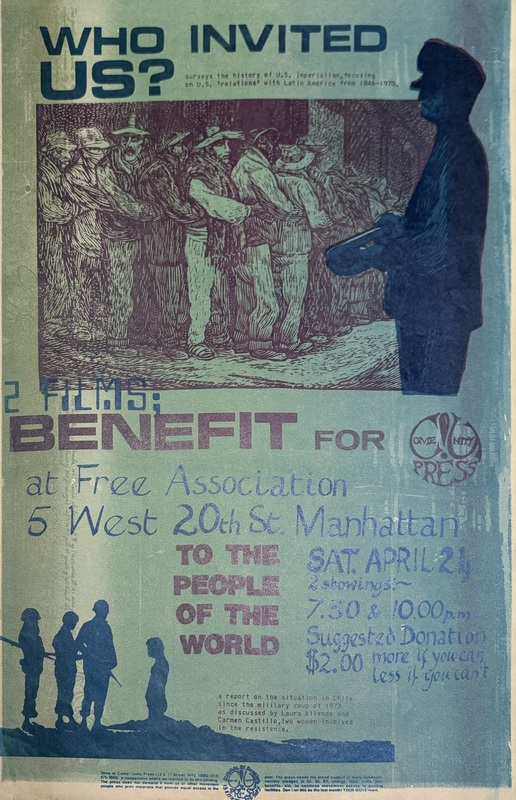
A prime example of the form of a Come!Unity poster. As discussed, the color blends and heavily saturated backgrounds are the result of a quirk in the medium of photolithography, but it also served to make a very distinctive and eyecatching "house style" that set movement materials apart—even if readability sometimes suffered!
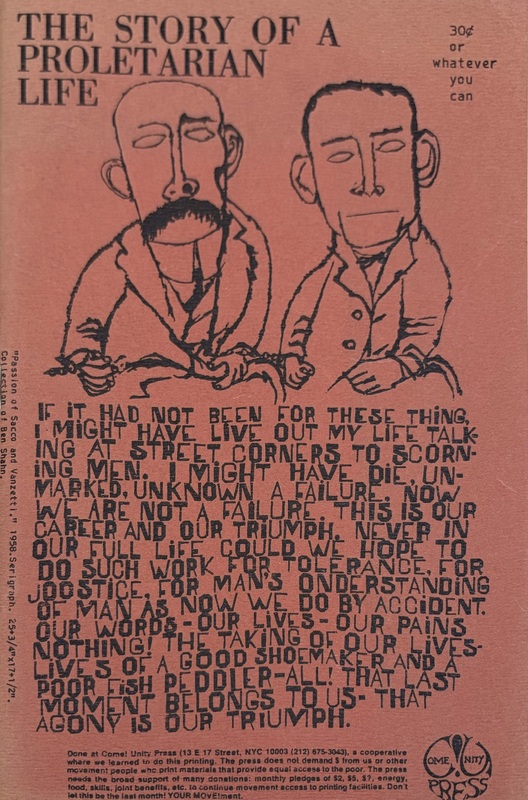
Colorful posters and handbills weren't the only things printed at the press, however. The trusty AB Dick 360 machine was used to create pirated editions of all sorts of texts that were otherwise hard for radicals to come by. This particular text is an edition of The Story of a Proletarian Life by Bartolomeo Vanzetti. It is a copy of the edition published by the Sacco-Vanzetti Defense Committee in Boston in 1923. Not as flashy as some other things, the edition keeps some of the Come!Unity flair in the creative type design on the cover.

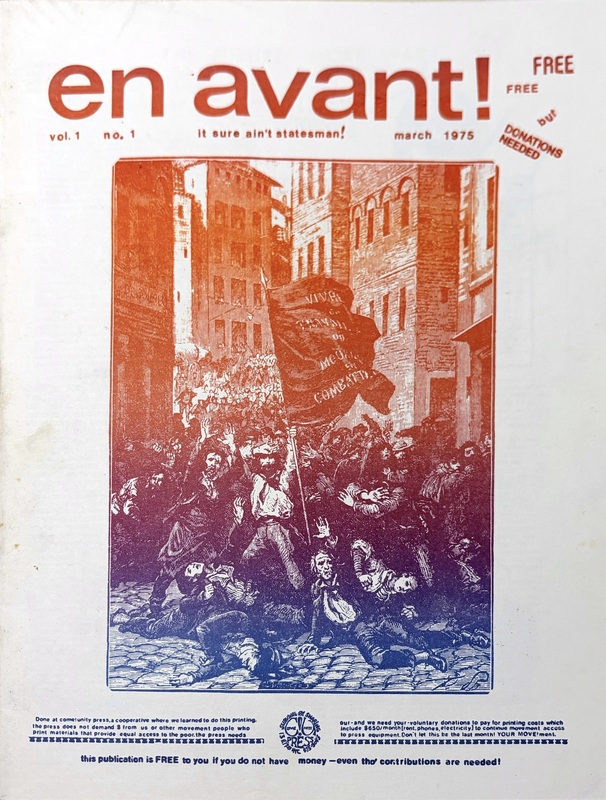
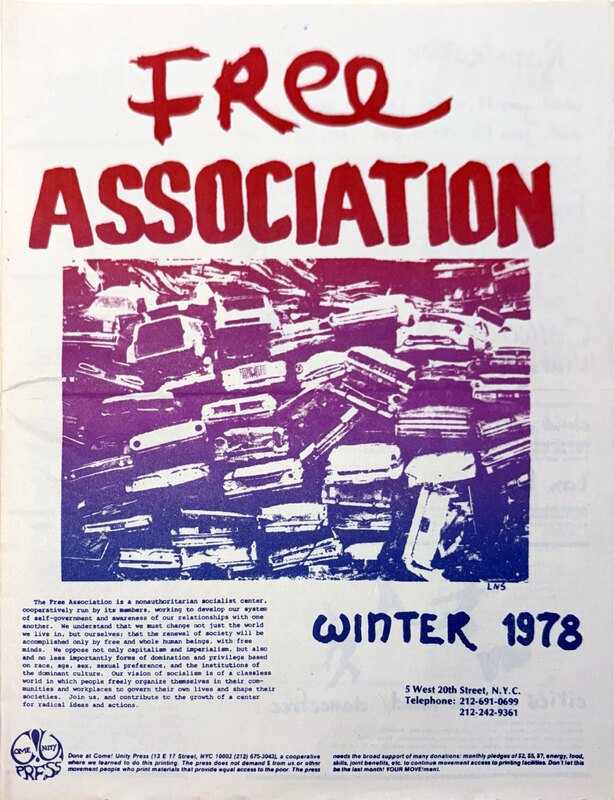
Periodicals were of central importance to the production of a counter-public. They acted as places for people to exchange ideas, addresses, and news. Their very existence, appearing more or less regularly, also established for readers the sense and expectation that things were happening with or without them. This created a sense of a knowable other, and in a way place oneself in that field.
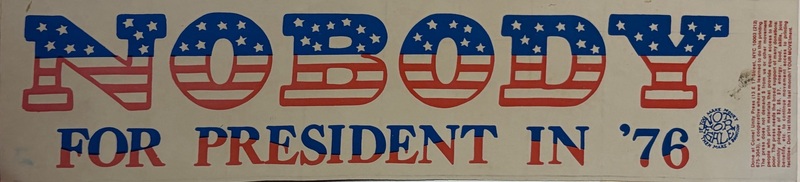
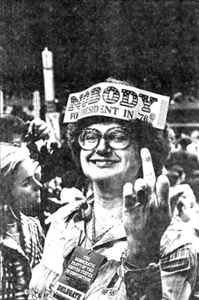
Even bumper stickers could be created by the press! Who knows what corners of the country these stickers, created for a satirical presidential campaign for Nobody for President spearheaded by Wavy Gravy—the official clown of the grateful dead.