Browse Exhibits (1 total)
How to Make Come!Unity
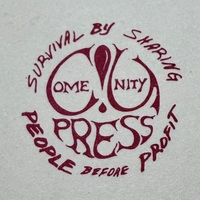
An exhibition that explores the printed works of the Come!Unity Press, a print shop that operated as a collective and a "free space" supporting myriad organizations within the 1960s–1970s social movements, including New Left groups, feminist organizations, gay rights organizations, and more. Despite a vast difference in ideological disposition, their publications maintain a consistent “house style” resulting from the preferences of the main trainers and administrators as well as the materials they had available including the photo offset process, standard cliches, and stock type. I hope this press can be an example of how a print counterculture is physically produced. In the age of the almighty algorithm, we ought to think more deeply about the ways in which their sphere of attention is shaped esthetically by people and technology that actually produce it. This is obscured in the way all production processes are obscured by their products, but even more intensely in a world no longer dominated by print culture, rather by algorithmic content. I hope viewing this comparatively simple example of how a coherent counter-public sphere was created will enable people to think more deeply about how their own lives are being produced and who is doing the producing. By understanding how this small group of people were able to build a print counterculture, visitors may start to think about how they can exert their own influence on the world. I think hosting this digitally offers the possibility to think about the possibility of counter-algorithmic public spheres.