Brunilda Gonzalez Collection
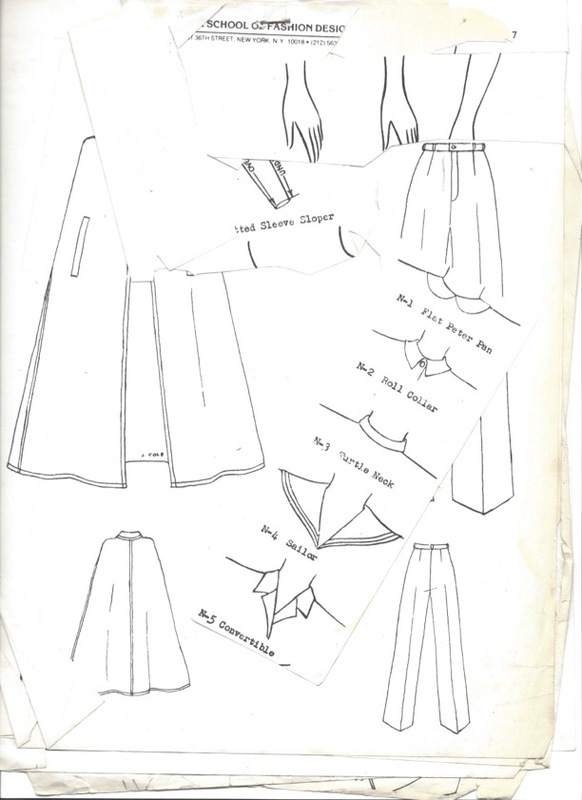
This item is a workbook that has been used by student Brunilda Gonzalez. The pattern designs are cut out and stapled together. The use and form of this item are essential to understanding its context and history. For an item like this to be digitized, capturing or describing that quality is necessary. In addition to the important history of this document, the layers and cut-out shapes are very distinct. When digitizing an item like this it is important to make an effort to accurately capture these layers and shapes. Furthermore, this item could be digitized and stored in a variety of ways. In its current form, all of the layers are overlapping, but the way this object is understood could be changed by separating the layers and displaying them apart from one another.
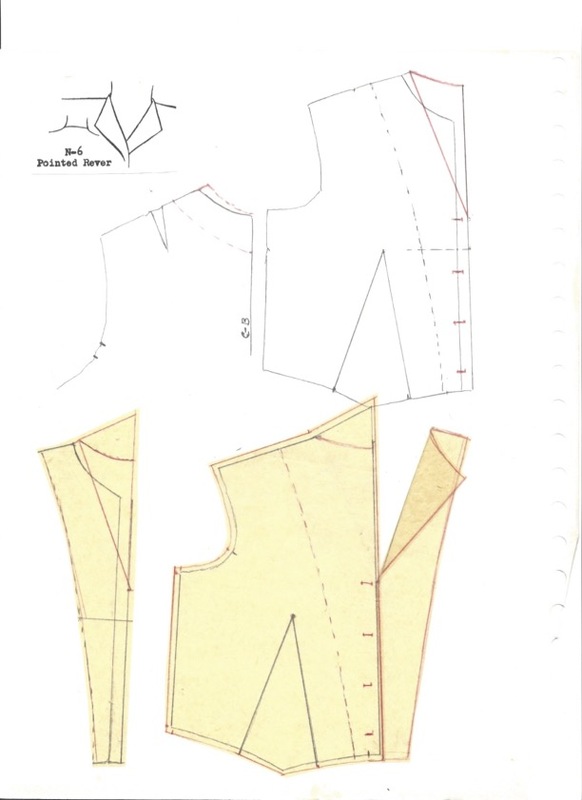
This item is also from a workbook used by a student. The page depicts both a pre-drawn design and a paper recreation of it. This item presents the ways in which various mediums can appear in an archival item, and can be a complex item to preserve and digitize. Furthermore, a resource like this can be a useful object in illustrating how garments and other textile items are constructed at multiple levels. They can be understood in both in two-dimensions, as a drawing or when made out of paper, and in three-dimensions, as layers of paper or textiles.
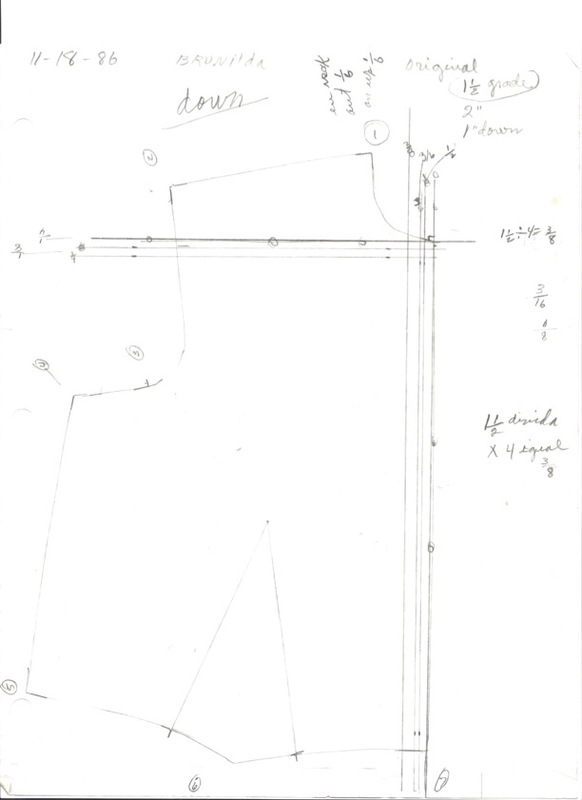
This document displays notes for a larger scale pattern design. The detailed measurements and comments all reflect important information that comprises the document and the design that it might lead to. Materials like this might be useful to students and researchers interested in learning and observing the technical detail that goes into constructing a three-dimensional garment. In the case of archives, this item can complement and contextualize three-dimensional objects in a collection.
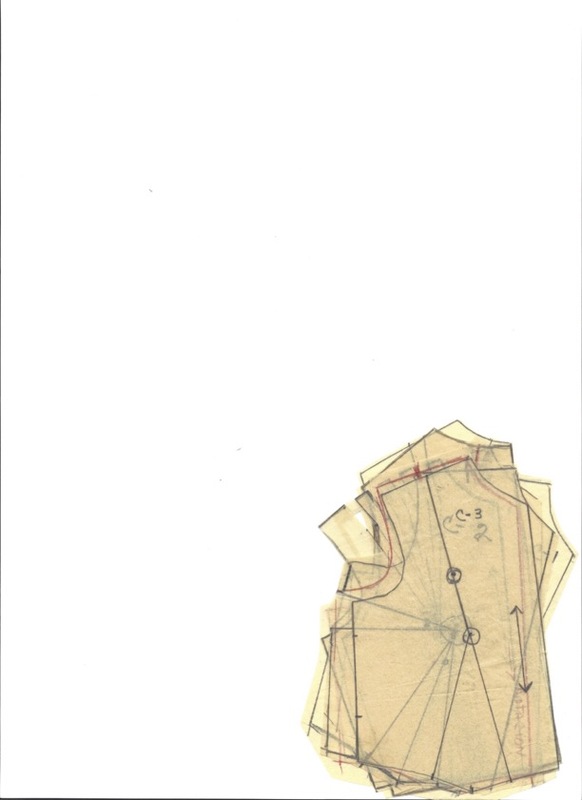
Within the collection are a few sets of loose or paper-clipped together paper designs. These designs reflect the unique and delicate materials often found in textile and fashion collections. Furthermore, the semi-transparent tracing paper they are made on would be relevant to the items description when digitized. The stack of overlapping papers creates a unique effect that is important to capture, or to describe to researchers. Alternatively, the items could each be separated, changing how a user might interact with or understand them.
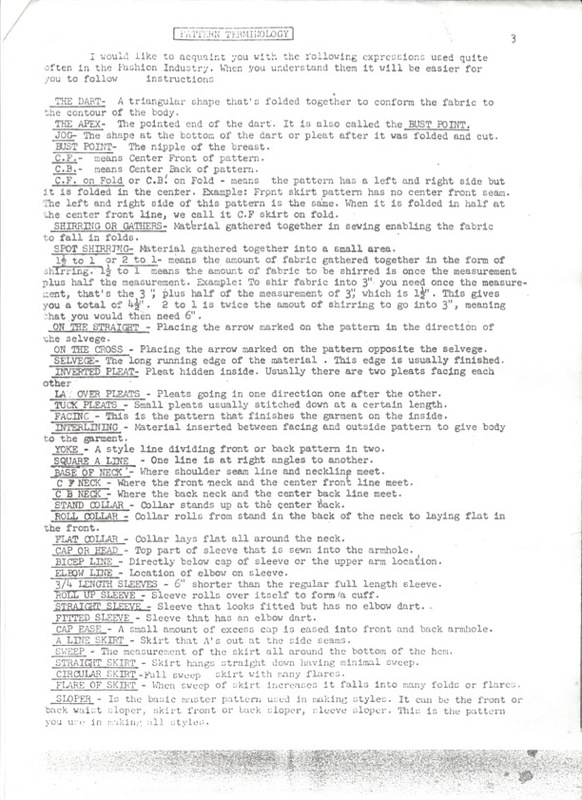
This document, supplied by the school, lists many common sewing terms. A common concern about preservation and digitization of textiles is about terminology and how it varies across language, culture, and time. In order to ethically archive these items, paying careful attention to terminology is required. While this document lists many terms, understanding terminology related to an archival item and being able to accurately describe in the items metadata is essential. Linking related terms is an idea that has been explored by researchers focued on describing textiles and artistic objects. This can be incredibly important for researchers looking for textile items in an archive.